CITIC at UDC positions Computational Biomedicine at the core of Drug Repurposing
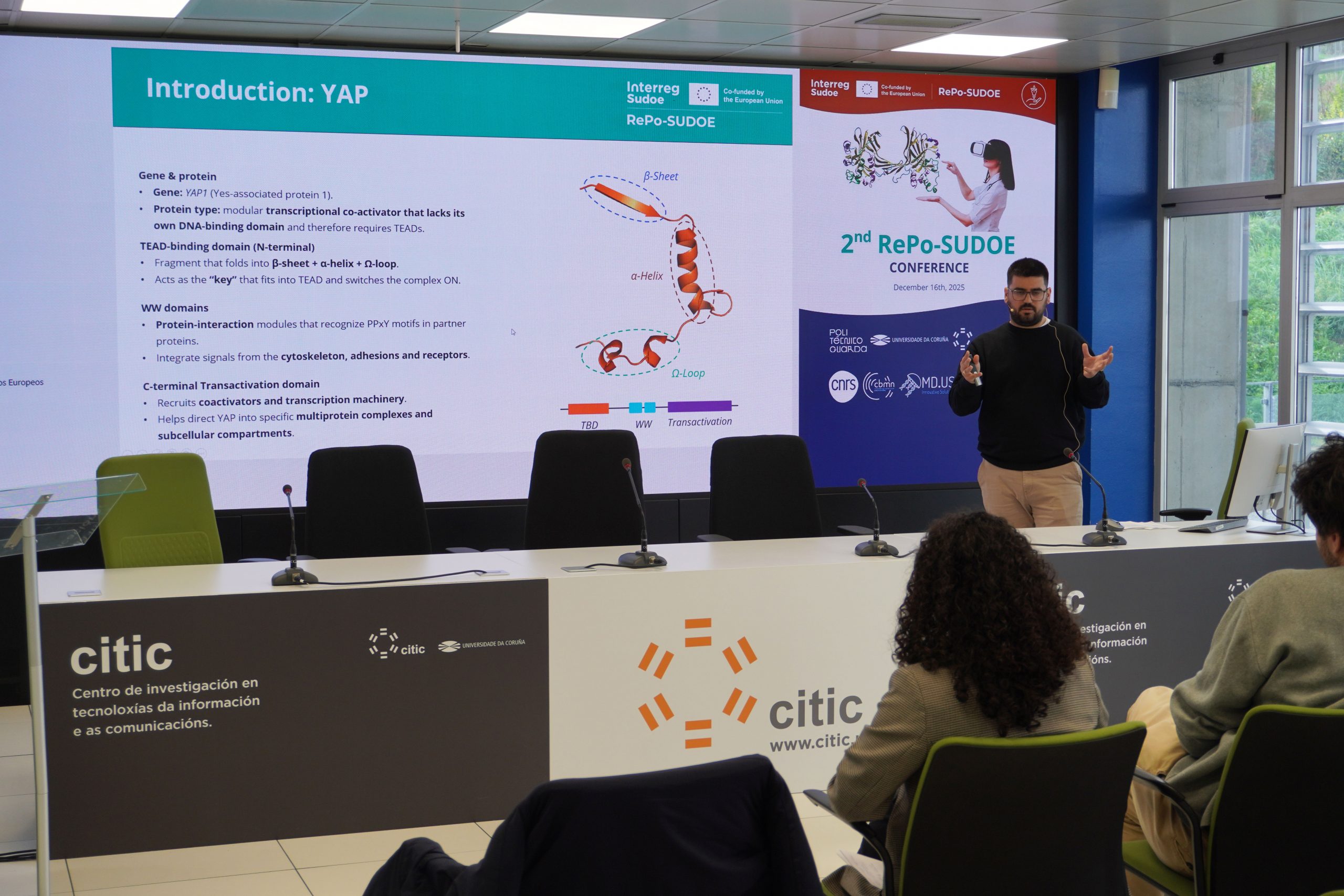
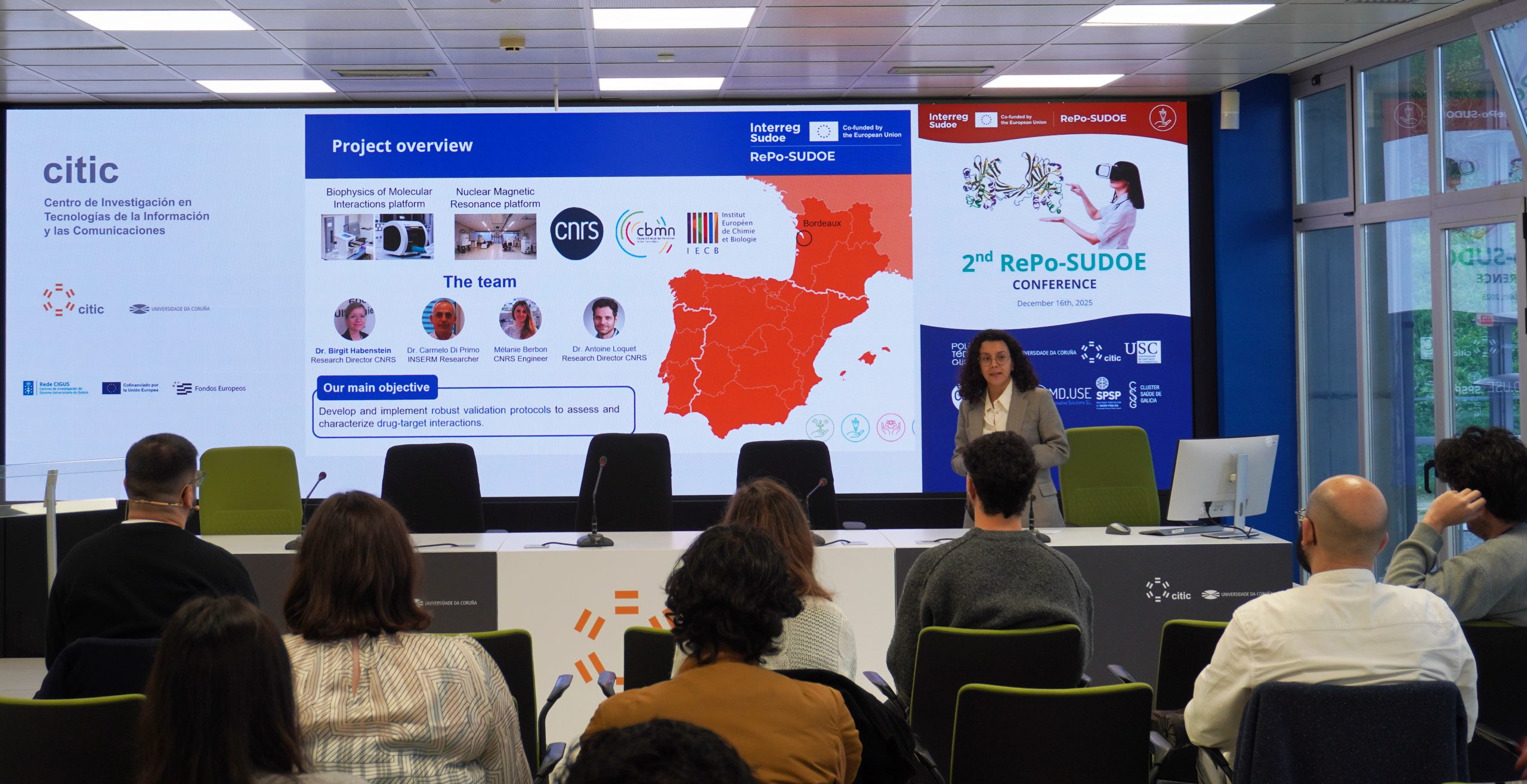
- Researchers and professionals gathered at UDC’s ICT center for a technical workshop of the European project RePo-SUDOE.
- The session combined scientific presentations with a virtual reality demonstration and a tour of CITIC’s technological infrastructures.
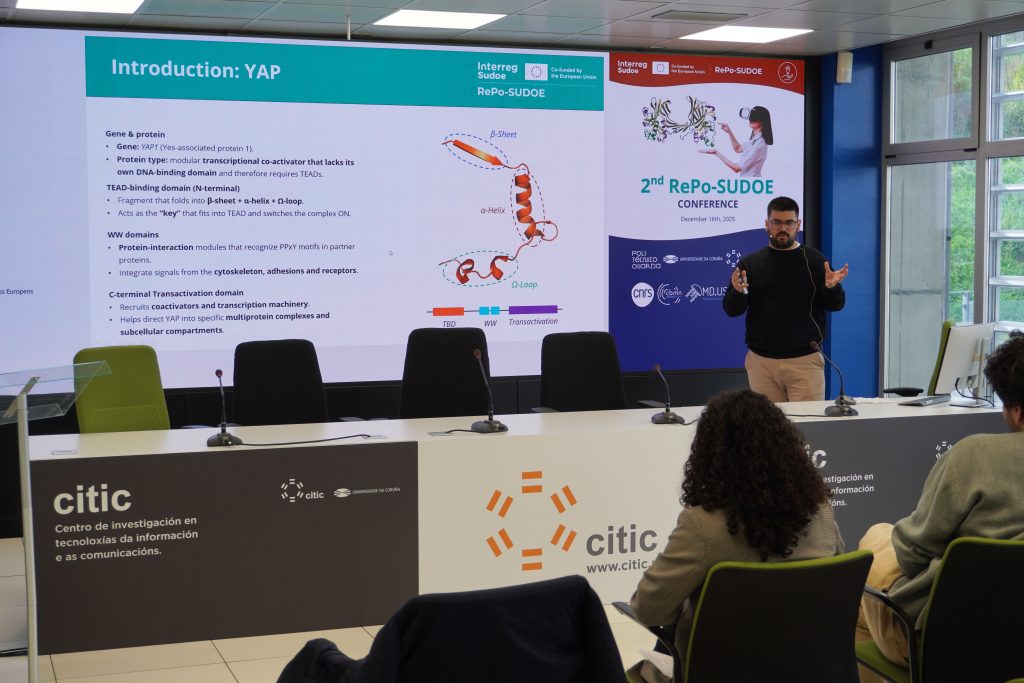
A Coruña, 16 December 2025.- The Research Center for Information and Communication Technologies (CITIC) of the University of A Coruña (UDC) hosted today a technical workshop as part of the Second Conference of the European project RePo-SUDOE, coordinated at UDC by researcher Carlos Fernández Lozano. The event highlighted the role of computational biomedicine and digital technologies in identifying new therapeutic applications for existing drugs.
Held at CITIC following the main conference sessions, the workshop brought together researchers and professionals from the biomedical and technological fields, representing universities, research centers, and organizations within the biopharmaceutical ecosystem. The objective was to explore the project’s most technical developments and to demonstrate, through applied examples, how CITIC’s infrastructures and expertise contribute to drug repurposing, particularly in addressing challenges such as drug resistance.
The program featured research presentations on biophysical characterization of protein–protein interactions, molecular docking analyses, and computational simulations applied to oncology and the identification of new inhibitors against antibiotic resistance. These approaches were complemented by the use of virtual research environments and immersive virtual reality tools for visualizing ligand–protein interactions and molecular dynamics, an area in which CITIC provides significant added value.
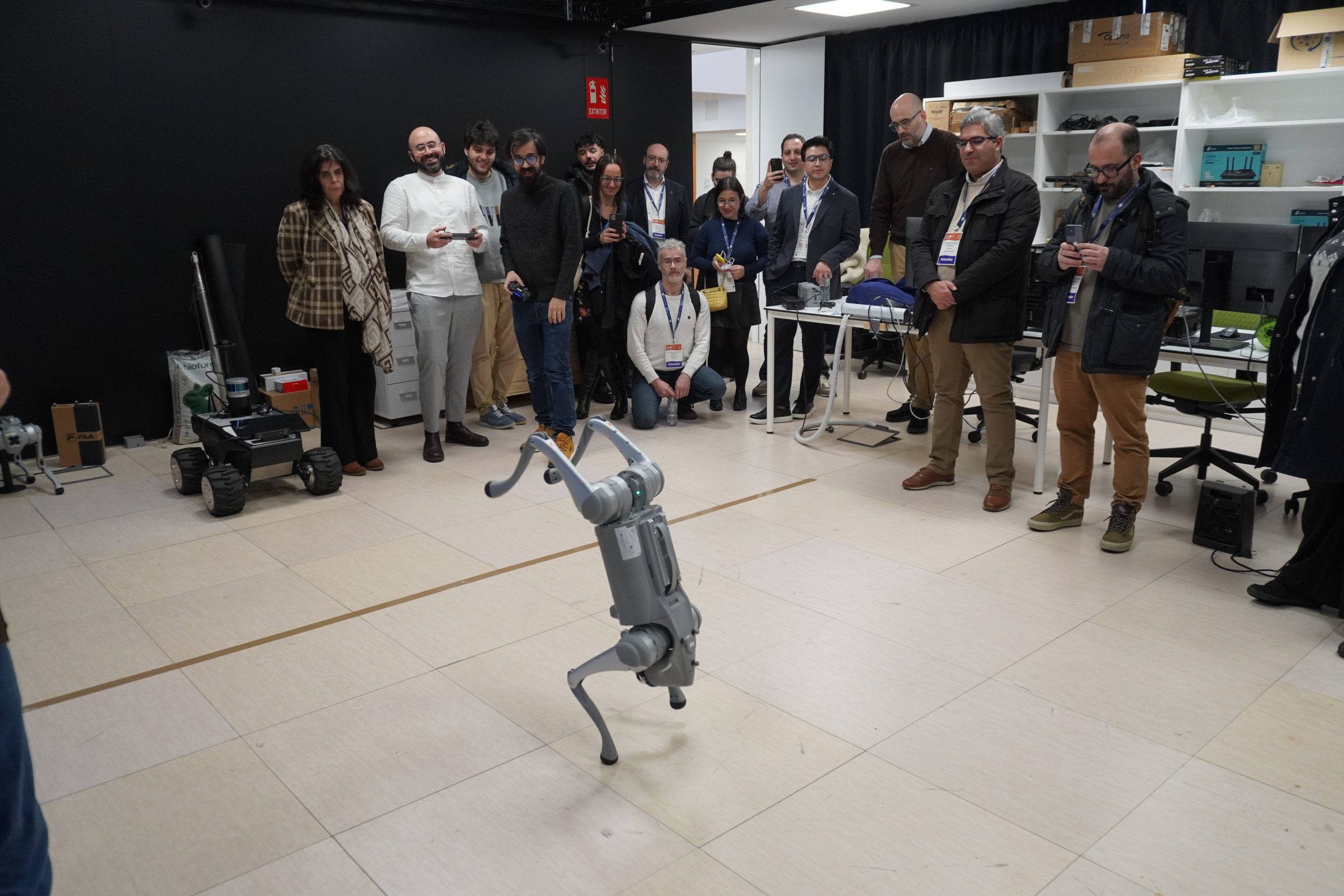
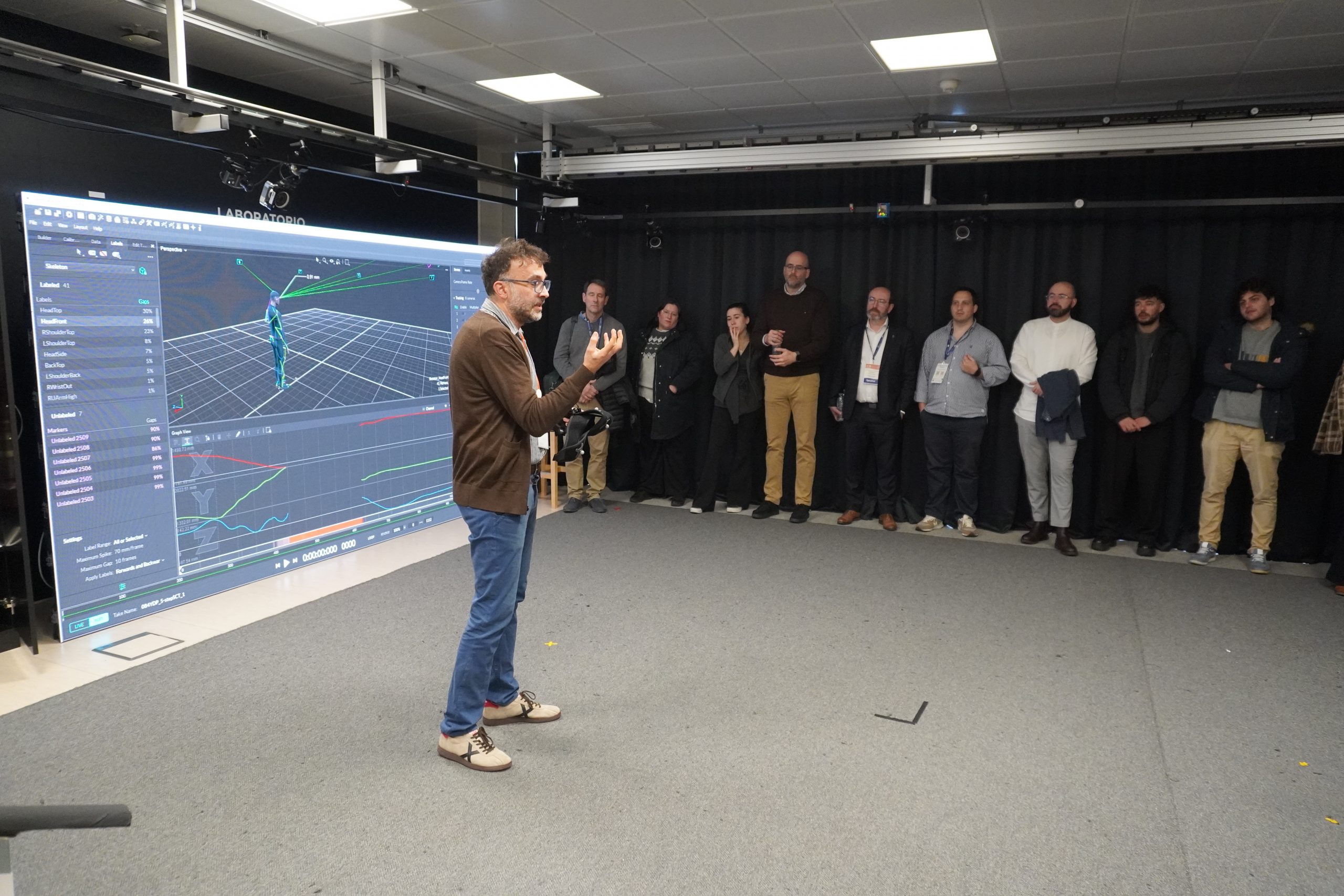
The session also included a professional virtual reality demonstration applied to biomedical research, along with a guided tour of CITIC’s facilities. Participants were able to gain first-hand insight into the center’s technological infrastructures and its research lines in advanced computing, artificial intelligence, and biomedical data analysis.
Through this technical workshop, CITIC reinforces its role as a strategic hub at the intersection of ICT and biomedicine, as well as a key infrastructure for knowledge transfer within European projects such as RePo-SUDOE. The meeting also fostered closer collaboration between computational and experimental researchers, a critical factor in accelerating drug repurposing and advancing toward more efficient and sustainable therapies.
The Second RePo-SUDOE Conference, held on December 15–16 in A Coruña, brought together more than one hundred professionals from the SUDOE area (Spain, France, and Portugal), consolidating its position as a reference forum for scientific, technological, and regulatory discussions on drug repurposing.
About RePo-SUDOE
RePo-SUDOE is a European territorial cooperation project that promotes drug repurposing in the SUDOE area through the integration of computational biomedicine, experimental research, and regulatory science. Its aim is to identify new therapeutic indications for existing medicines and to contribute to a more efficient and sustainable biomedical development.
About CITIC
CITIC is a research center created in 2008 by the University of A Coruña, focused on advancing excellence in applied R&D&I in the field of information and communication technologies (ICT). The center’s scientific activity is structured around four main research areas: Artificial Intelligence; Data Science and Engineering; High-Performance Computing; and Intelligent Services and Networks, along with a cross-cutting research area in Cybersecurity.
CITIC is accredited as a Center of Excellence and is a member of the CIGUS Network for the period 2024–2027. The accreditation, structuring, and enhancement of CITIC are co-funded by the Xunta de Galicia and, at 60%, by the European Union under the Galicia FEDER Operational Programme 2021–2027, with the thematic objective of promoting “a smarter Europe: innovative and smart economic transformation” (ED431G 2023/01).