Dissemination, science and female role models that inspire the CITIC’s commemoration of February 11th.
The CITIC at the UDC developed a wide program of activities centred around the International Day of Women and Girls in Science, commemorated this past Wednesday, February 11th, combining scientific outreach, student engagement and reflection on the challenges that women face in research careers.
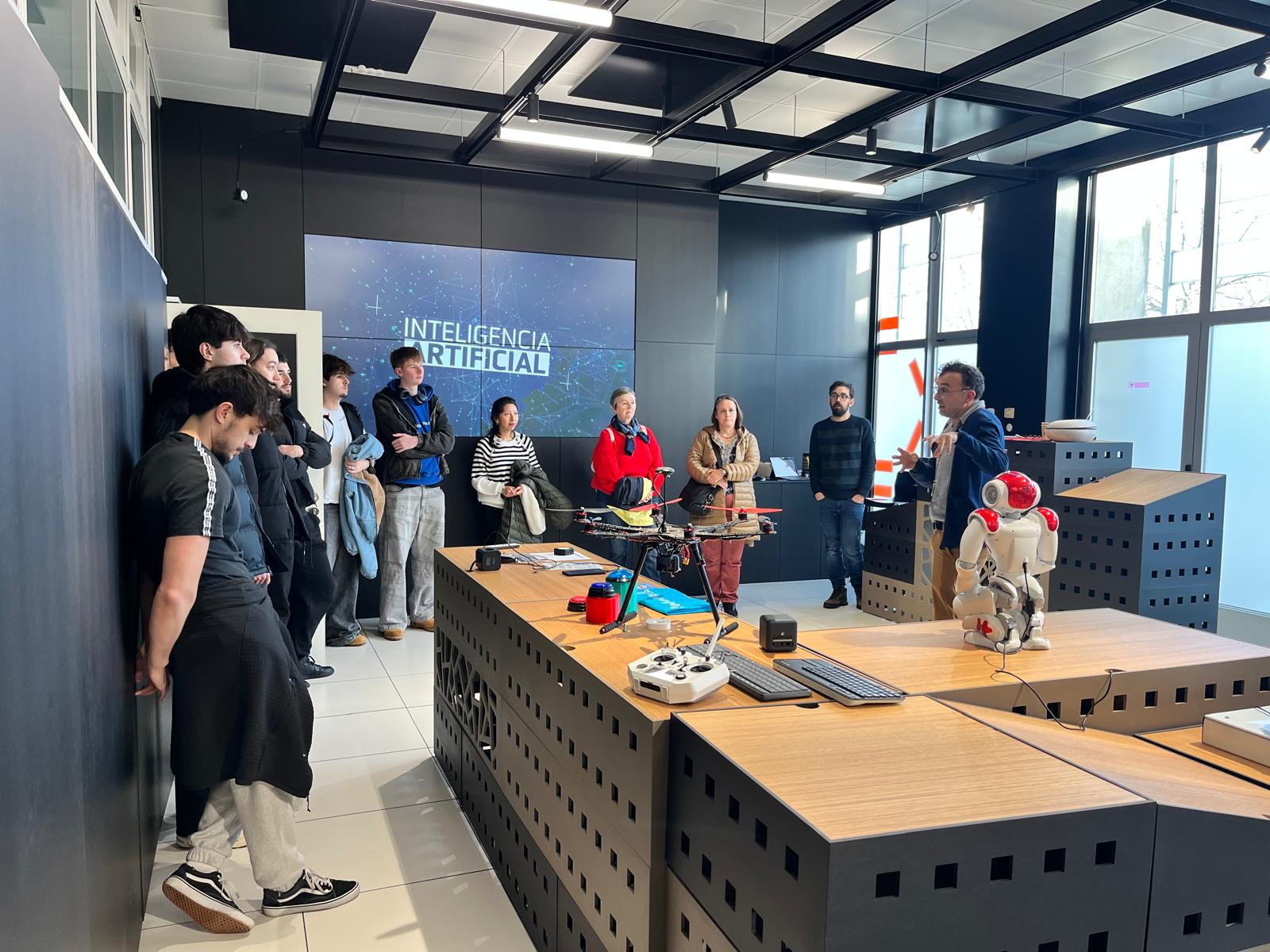
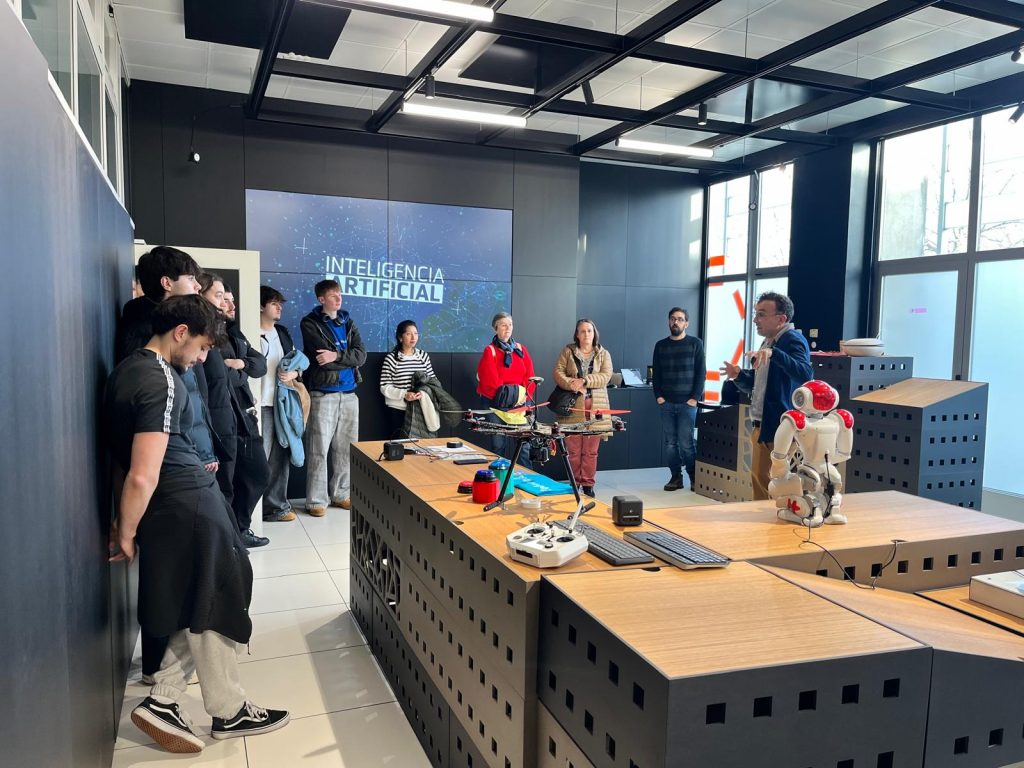
Thus, on February 11th and 12th the centre held open house events in collaboration with the student association of the Faculty of Computer Science. Researchers María Martínez, Adriana Dapena and Diego Seco were in charge of receiving the students and explaining what the CITIC is, its research work and the opportunities it offers, such as the MestreTIC grants.
During the visits, the students toured different areas of the centre. In the Technology Demonstrator they learned about developments in Virtual Reality; they visited the OitoBits Collection, a museum dedicated to the history of videogames; the Robotics Room and the 3D Printing Laboratory; the VR room and the Cluster Room, one of the research staff’s workspaces. The initiative brought research in information and communication to the new generations, fostering interest in science and innovation.
“Our Own Laboratories”: Reflection and role models on February 11th
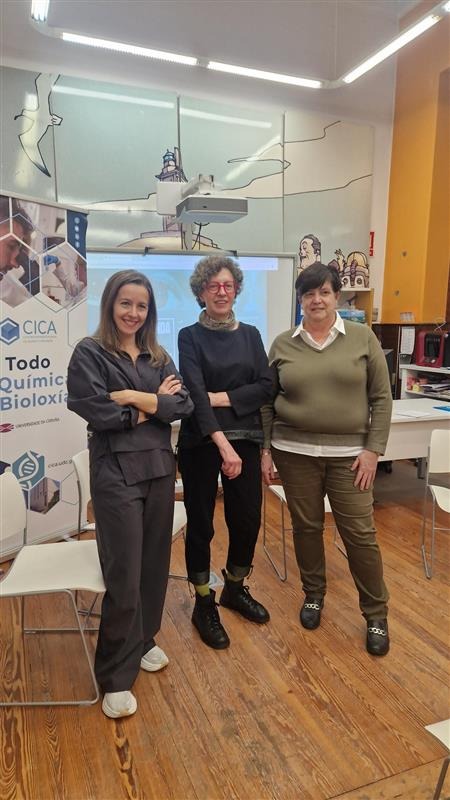
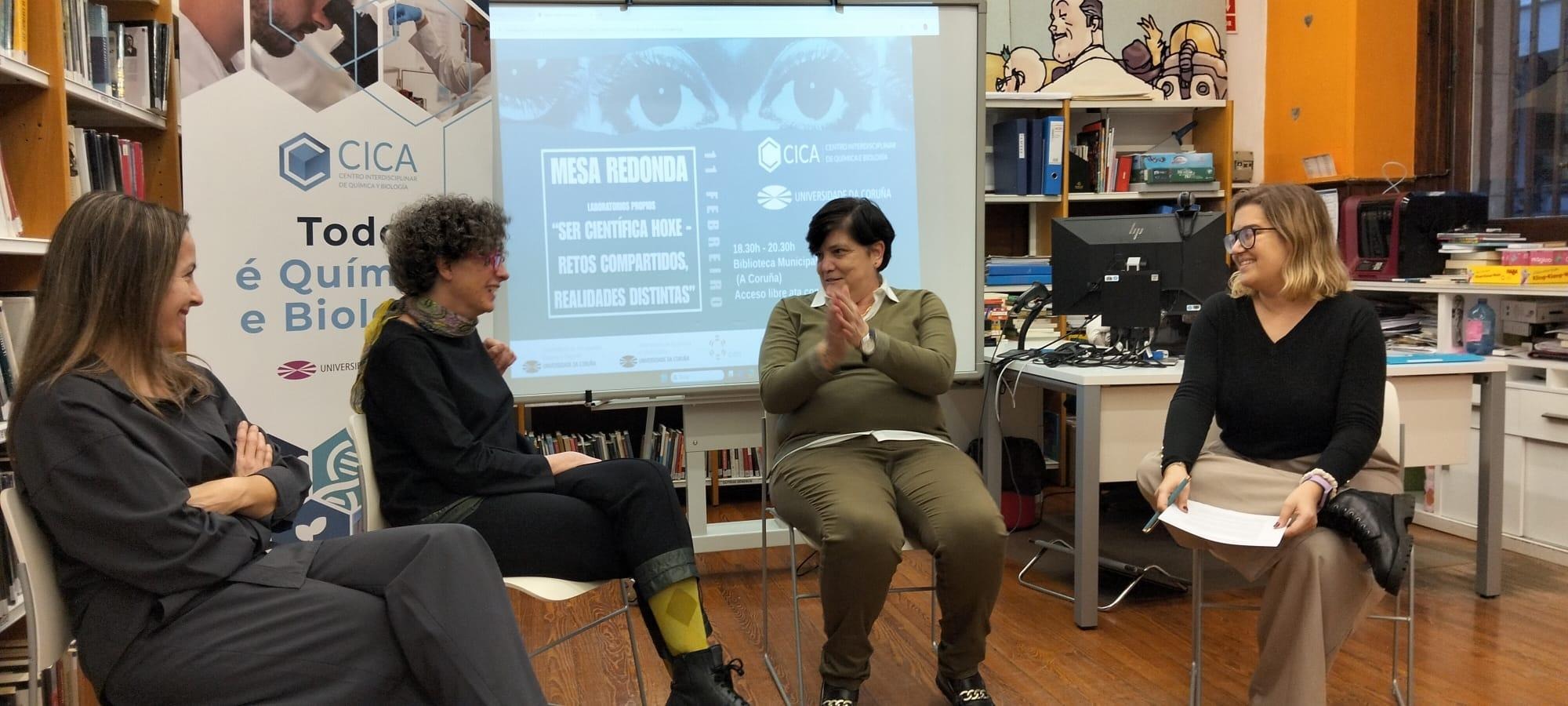
In commemoration of the International Day of Women and Girls in Science, researcher María Suárez participated in a roundtable discussion organized by the Interdisciplinary Centre for Chemistry and Biology (CICA) of the UDC as part of the second edition of “Our Own Laboratories,” a gathering that brought together female researchers from diverse scientific fields to analyse the challenges that still persist in scientific careers. Also participating in this event, “Being a Scientist Today: Shared Challenges, Different Realities,” were Socorro Castro, a researcher at CICA, and Isabel Martínez Lage, from CITEEC.
The event focused on the importance of creating diverse and realistic female role models, providing examples for new generations and highlighting the multiple possible paths within science. Through their personal and professional experiences, the participants addressed issues such as access to and interest in science, the differences in the presence of women between different fields of knowledge, and the day-to-day conditions of research.
One of the key moments of reflection was the postdoctoral stage, identified as one of the most fragile points in a research career due to job insecurity, temporary contracts, and mobility; factors that particularly affect women’s continuity in the scientific system. The challenges of work-life balance, caregiving and the demands of science, as well as the role of universities, research centres and society in building a more equitable system were also analysed.
Commitment to Science Outreach
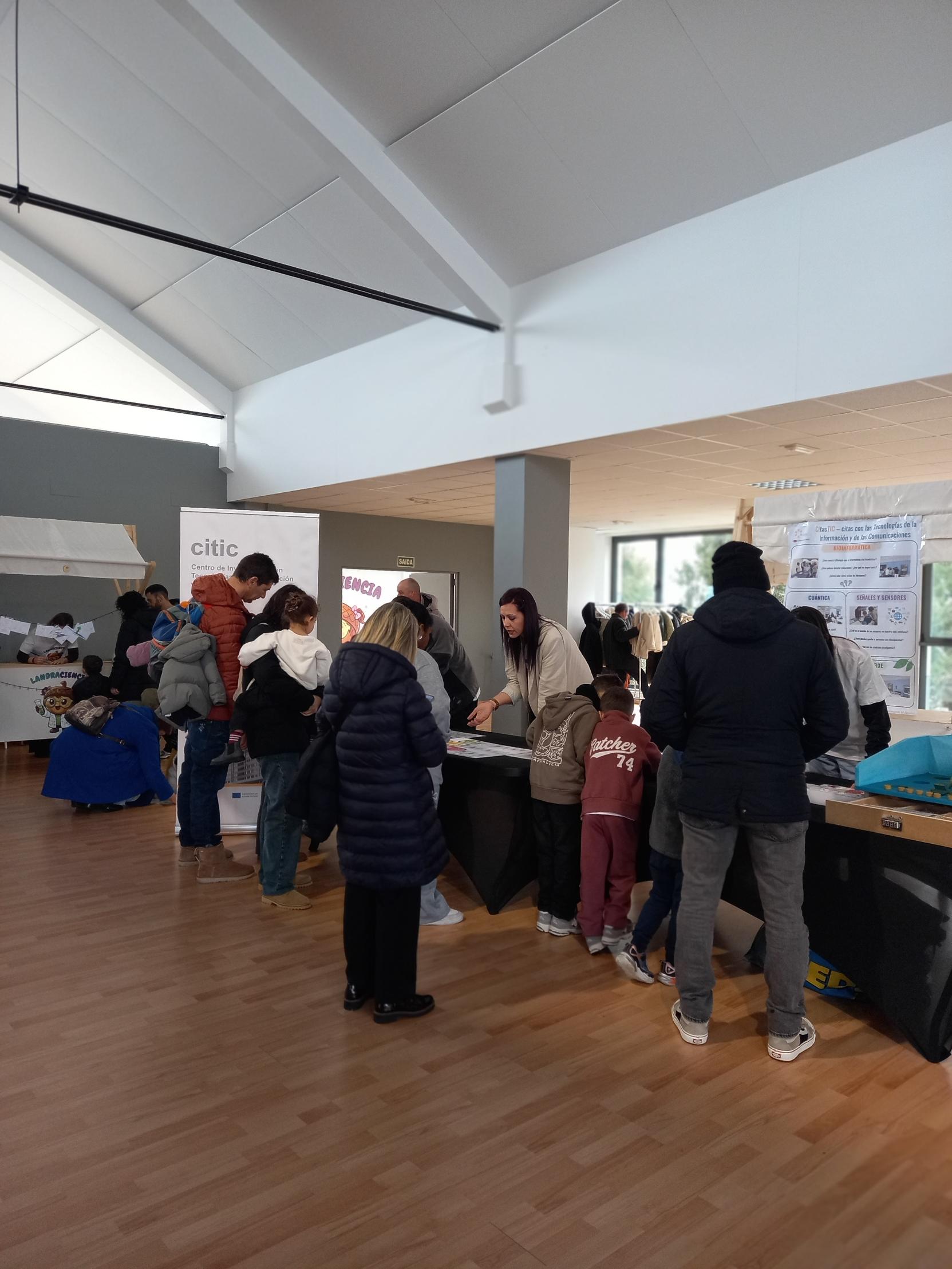
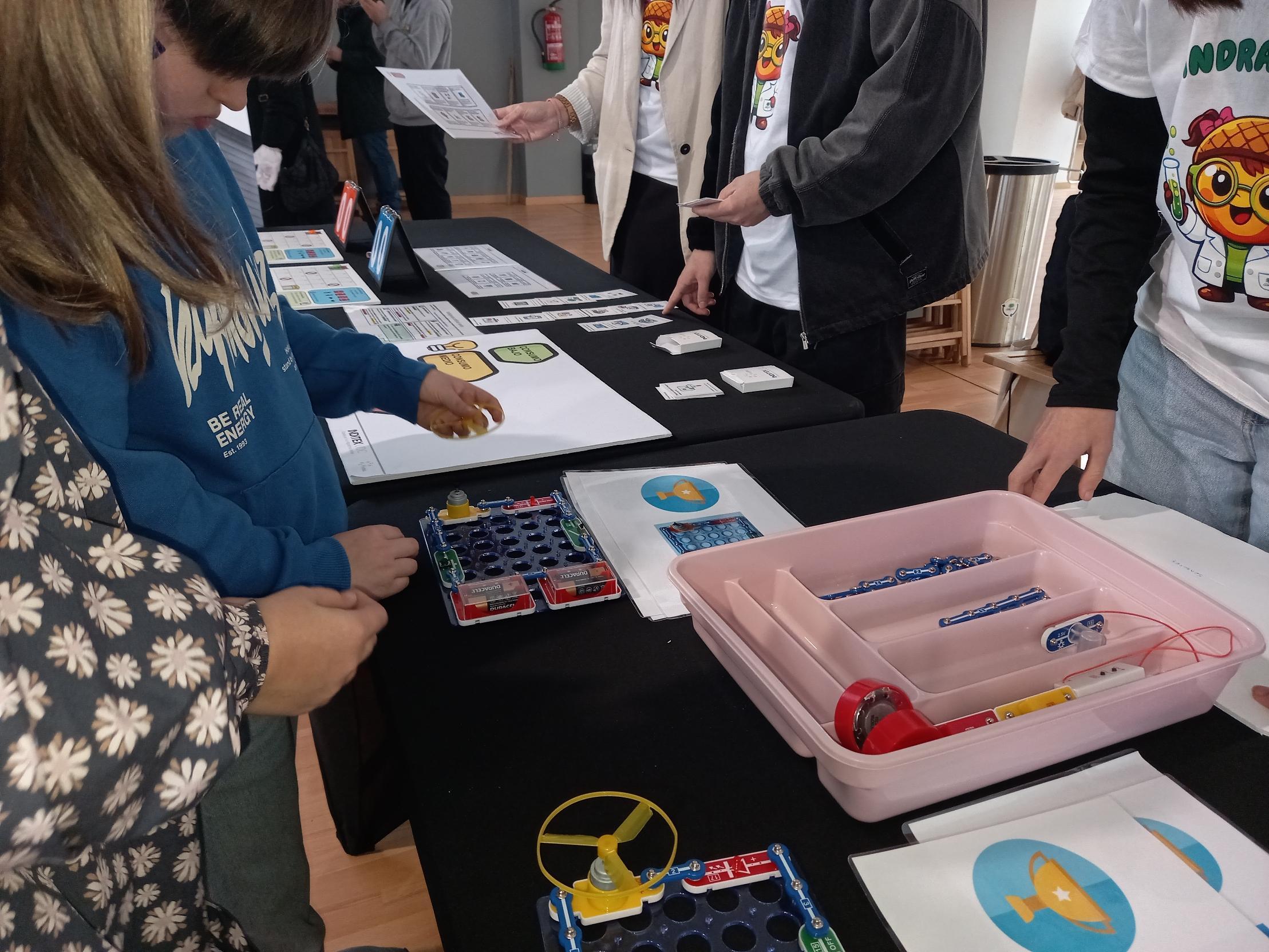
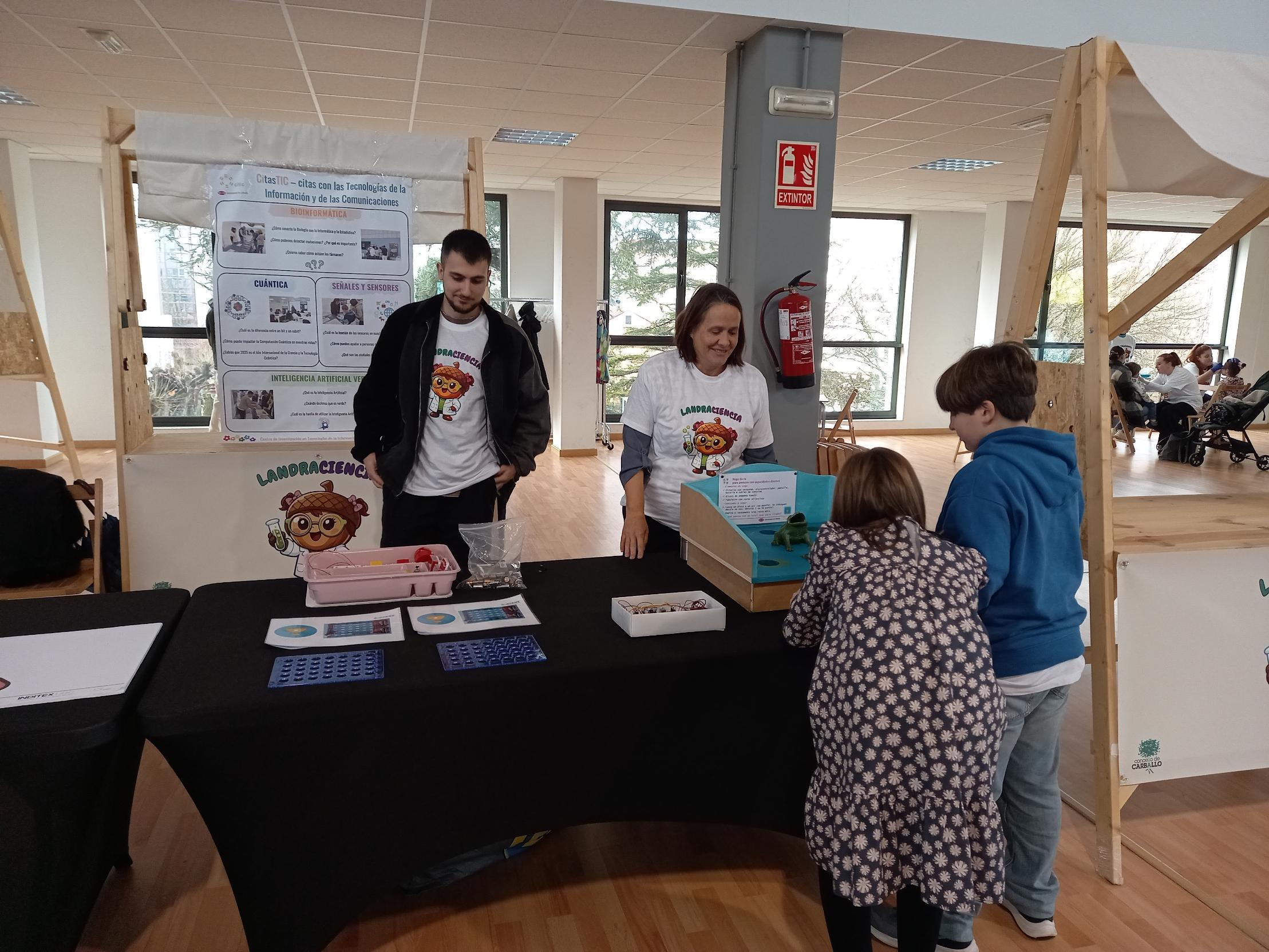
Besides all of the above, Adriana Dapena, Paula Castro, Eva Soto and Verónica Bolón -as the organiser- participated in the LandraCiencia science outreach fair, where the CITIC presented initiatives such as Green AI and TuTIC.
The program was rounded out with the participation of Lara Pallas and Delfina Ramos in the “Live 11F: Connect with Women in Computer Science”, organised by the MUNCYT and the Faculty of Computer Science, in which Laura Castro and Sonia Suárez also participated.
Furthermore, the coming February 25th Verónica Bolón will give the Corbl Talk “Green AI: Towards a Sustainable Future”, organised by the MUNCYT and that will be livestreamed through the FECYT YouTube channel.
With this series of activities, the CITIC reaffirms its commitment to science outreach, promoting STEM vocations and fostering a more diverse, inclusive science that is connected with the public.