Javier Pereira showcases unique infrastructures for supporting people with disabilities at an institutional meeting in Madrid
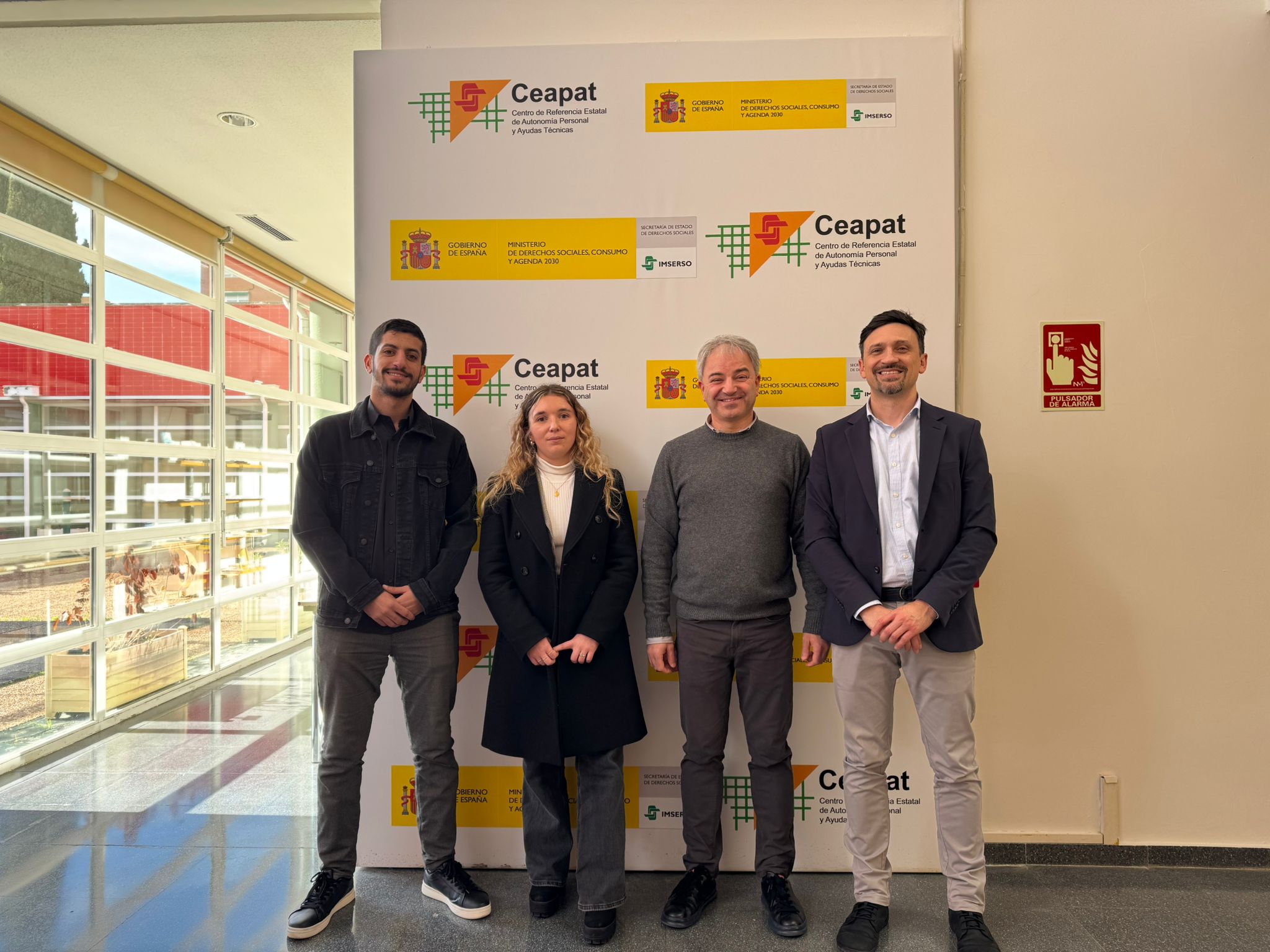
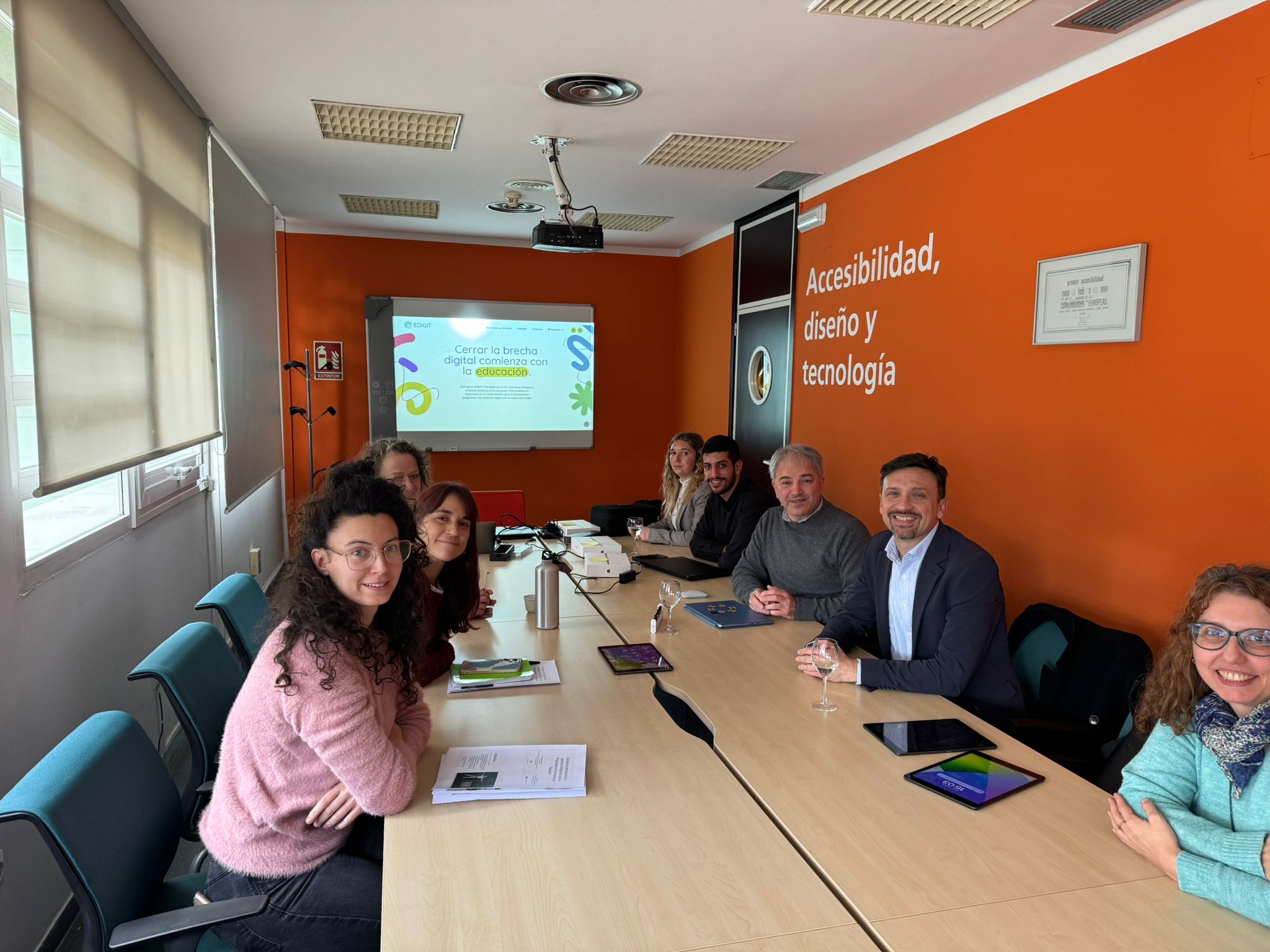
The CITIC (Centre for Information and Communication Technologies) at the Universidade da Coruña participated in a meeting on February 3rd at CEAPAT (State Reference Centre for Personal Autonomy and Assistive Technology – IMSERSO) in Madrid, where it presented some of its most advanced technological infrastructures designed to support people with disabilities.
During the event, Javier Pereira, vice director of CITIC, presented the UDC centre’s capabilities in areas such as motion capture and virtual reality developments, technologies that enable new solutions in rehabilitation, accessibility, and personal autonomy. These unique infrastructures will play a key role in the development of the HIPA project, funded by the R&D call of the Spanish Foundation for Science and Technology (FECYT).
The HIPA project is coordinated by the University of Valladolid, and besides the participation of CITIC, also includes the participation of the rehabilitation service of the University Hospital Complex of A Coruña (CHUAC) through the INIBIC, the Regional Ministry of Social Policy and Equality through the General Sub-Directorate of Active Aging and Socio-Health Innovation, the Río Hortega Hospital in Valladolid, and the Social Policy Department of Castilla y León.
The initiative aims to advance new technological solutions dedicated to improving the quality of life of people with disabilities, combining research, innovation, and knowledge transfer to the socio-health sector.
Within the framework of this meeting, CITIC also presented the Erasmus+ EDIGIT project (European Digital Inclusive Guide for Innovative Teaching), the European version of the Inclusive Talents program. This international initiative aims to promote the participation of people with disabilities in the digital transition, fostering inclusive approaches in the teaching of STEM disciplines (Science, Technology, Engineering, and Mathematics) through innovative digital methodologies.
The participation of CITIC in this type of forums reinforces its commitment to developing inclusive technologies and to the cooperation between academic, healthcare and social institutions to generate a real impact in society. Both the HIPA project and EDIGIT align themselves with the centre’s strategy of promoting applied research that places people at the heart of technological innovation.