The results of the European project Design2Freedom are being presented on an international level through events in A Coruña
A Coruña, May 4th, 2026
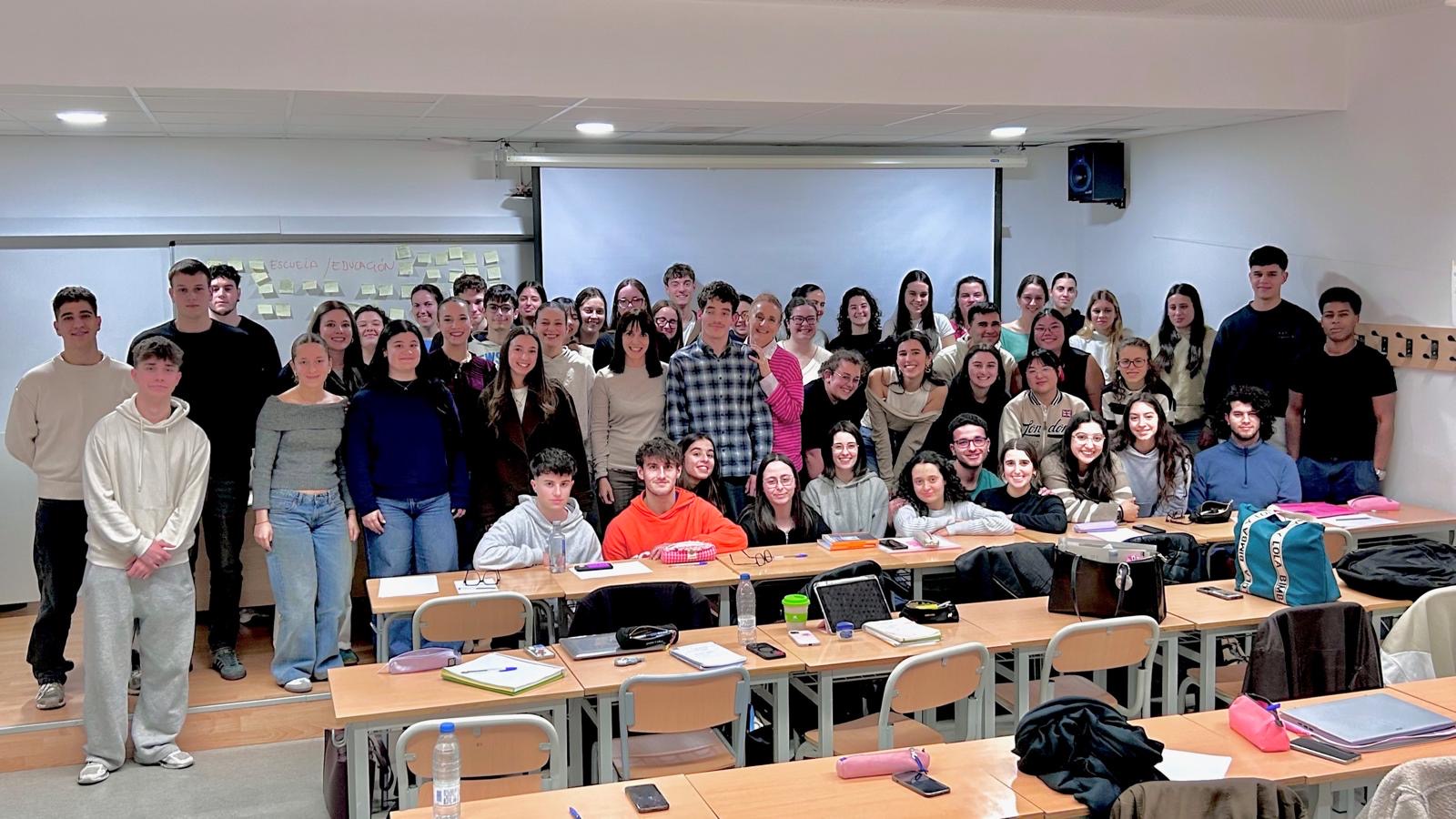
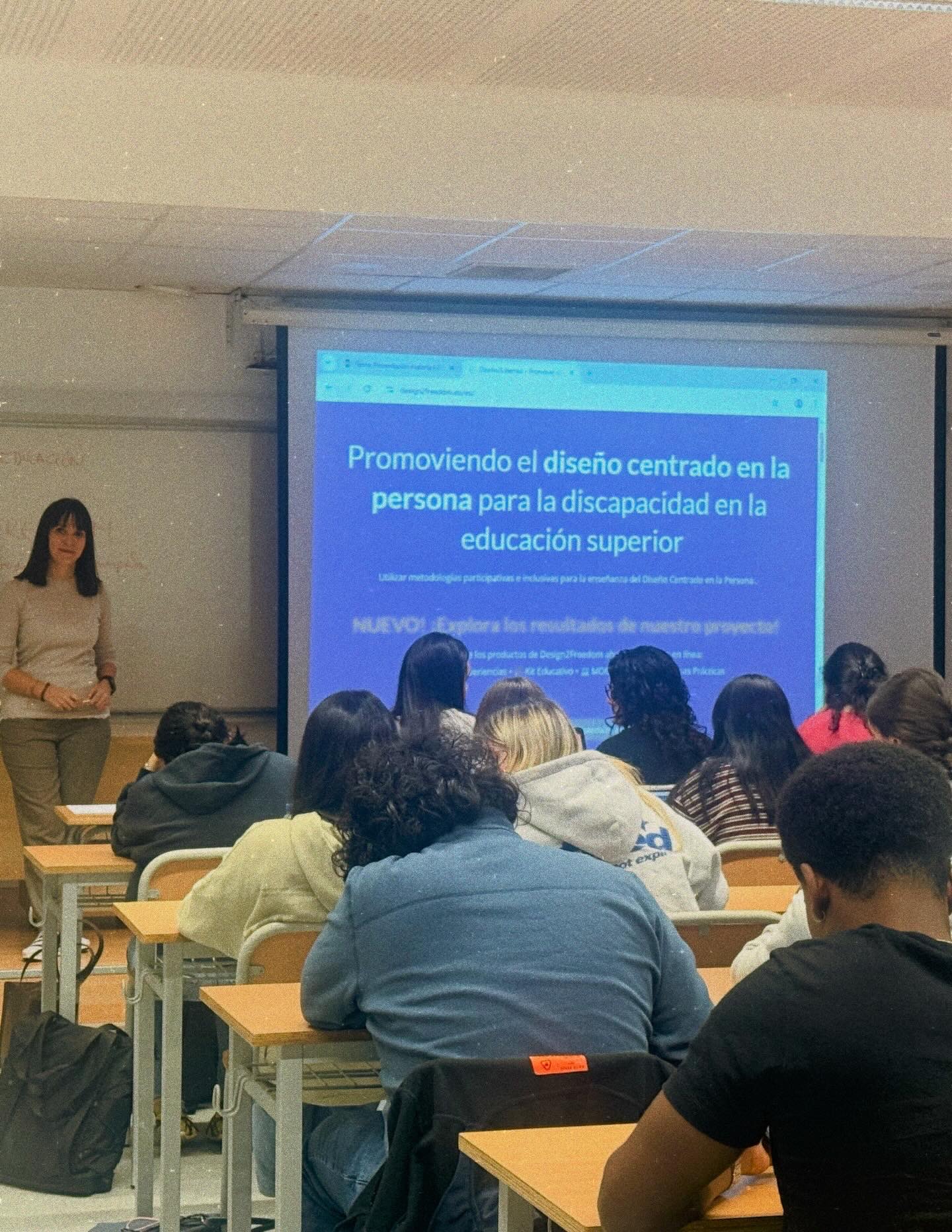
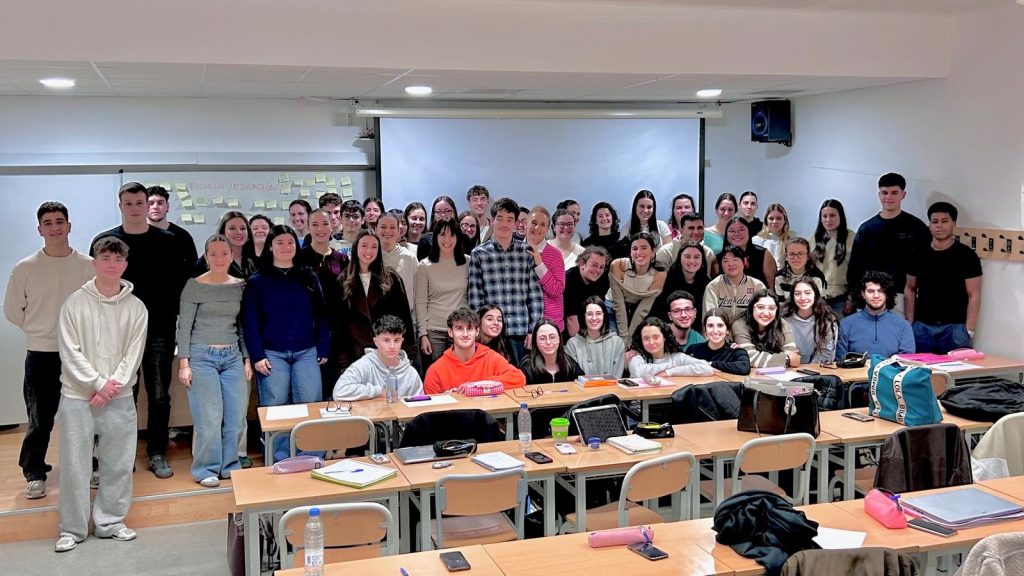
The European Erasmus+ project Design2Freedom, focused on promoting inclusion through accessible design and educational innovation, has presented its final results at a series of international meetings held over the past few months. The Universidade da Coruña (UDC) hosted two of these key events on March 26th and April 28th, during which the main achievements of this nearly concluded initiative were unveiled.
These activities known as Multiplier Events have taken place simultaneously across the various European partner entities with the aim of sharing the project’s results and broadening its impact. In total, around 500 participants are expected to attend, including professionals, students and representatives from the social and educational sectors.
The Design2Freedom consortium comprises the Confederación Española de Personas con Discapacidad Física y Orgánica (COCEMFE), Vilniaus Kolegija (Lithuania), Creative District (Belgium), Technicka Univerzita v Kosiciach (Slovakia) and the Universidade da Coruña. Over the past two and a half years of joint work, they have developed practical tools aimed at fostering inclusivity in university settings.
During the events held at the UDC, CITIC researcher Betania Groba González presented the results, highlighting the project’s key milestones. These included the creation of a free 15-hour online course (MOOC), an international map of inclusive experiences, an educational kit of digital tools and good practices guide for the integration of a person-centred design into university syllabi. All these resources are available in several languages to facilitate access to them.
The sessions were also attended by representatives from local institutions and community associations. Among those taking part were Nereida Canosa, Councillor for Social Welfare, Participation and Equality at the City Council of A Coruña, as well as partner organisations such as the Galician Confederation of People with Disabilities (COGAMI) and the Association of Parents of People with Cerebral Palsy (ASPACE Coruña). In addition, activists for inclusive education such as Carmen Saavedra and Antón Fontao also spoke at the event.
The Design2Freedom project focuses on human-centred design as a key tool in moving towards a more inclusive education. Through a participation-based methodology, the project encourages collaboration between students, professionals and people with disabilities to develop solutions that meet real needs.
Among the most noteworthy initiatives is the European hackathon Inclusive Design Lab, held in December 2024 at CITIC, where multidisciplinary teams worked for three days on developing innovative proposals to improve the quality of life of people with disabilities.
The project also ran the Design4Occupation academic pilot between February and May 2025, in which Occupational Therapy students worked directly with people with disabilities, users of COGAMI and ASPACE, to co-design technological products aimed at improving their independence.
By disseminating these results, Design2Freedom aims to establish a more inclusive educational model, based on active participation and accessible design, which can be replicated in universities across Europe.